
The Achievement Pressure
Modern parenting is saturated with pressure to accelerate children's development. Parents worry if their baby isn't walking by 12 months, if their toddler isn't reading by age 4, or if their preschooler isn't doing math. The implicit message: early achievement predicts future success, and falling behind early means falling behind forever.
This belief drives an entire industry of "educational" toys, early learning programs, and academic preschools. Parents invest enormous time, money, and emotional energy trying to give their children a "head start," often at the expense of play, rest, and childhood itself.
The pressure starts earlier than ever. Parents play classical music to pregnant bellies, use flashcards with infants, and enroll toddlers in multiple enrichment activities. The fear of "falling behind" begins before children can even walk.
Social comparison intensifies the anxiety. When other children seem to be achieving milestones earlier, parents worry that their own child is somehow deficient. Social media amplifies this, as parents share their children's achievements while rarely posting about struggles or delays.
The achievement pressure affects children too. Even young children can sense parental anxiety about their performance. They may internalize the message that their worth depends on achievement, setting the stage for anxiety and perfectionism later in life.
This myth is particularly harmful because it transforms normal developmental variation into a source of worry. Children develop at different rates, and this variation is completely normal—but the achievement myth makes any deviation from the earliest timeline seem like a problem.
The competitive parenting culture fuels this pressure. Parents feel they're in a race where their child's early achievements reflect on their parenting quality. This transforms childhood milestones into competitive markers, creating stress for both parents and children. The irony is that this pressure often backfires—stressed, anxious children learn less effectively than relaxed, playful ones, making the push for early achievement counterproductive to its own goals.
What Research Actually Shows
Decades of developmental research tell a very different story. Early milestone achievement—walking, talking, reading—has remarkably little correlation with long-term outcomes. The child who walks at 9 months isn't more athletic than the one who walks at 15 months. The early reader doesn't necessarily become a better student.
Studies following children from infancy through adulthood consistently find that early achievement differences tend to wash out over time. By third grade, you typically can't tell which children learned to read at 4 versus 6. By adulthood, early milestone timing is essentially irrelevant.
Research on "late bloomers" is particularly instructive. Many highly successful adults were unremarkable or even delayed in early childhood. Albert Einstein didn't speak until age 4. Many successful entrepreneurs struggled in school. Early achievement is simply not a reliable predictor of adult success.
What does predict long-term outcomes? Factors like the quality of parent-child relationships, emotional security, opportunities for play and exploration, and the development of social-emotional skills. These factors matter far more than whether a child hits milestones early.
Studies on academic acceleration show mixed results at best. Children pushed into academics before they're developmentally ready often show initial gains that fade over time—the "fadeout effect." Meanwhile, they may miss crucial opportunities for play-based learning that builds deeper foundations.
Cross-cultural research provides additional perspective. Countries with later school starting ages (like Finland, which starts formal academics at age 7) often outperform countries that push academics earlier. More time for play and development, not less, seems to support long-term learning.
Longitudinal studies tracking children over decades reveal that characteristics like curiosity, persistence, social skills, and emotional regulation predict success far better than early academic achievement. These qualities develop through play, exploration, and secure relationships—not through flashcards and structured lessons. The child who spends their early years playing, exploring, and building relationships is actually better positioned for long-term success than the child drilled in academic skills before they're developmentally ready.
The Costs of Pushing Too Hard
The pressure for early achievement isn't just unnecessary—it can be actively harmful. Children pushed into academics before they're ready may develop negative associations with learning. The stress of constant performance pressure can lead to anxiety and burnout.
Play deprivation is a serious concern. When enrichment activities and academic preparation crowd out free play, children miss crucial developmental experiences. Play is how children learn social skills, creativity, problem-solving, and emotional regulation—skills that matter more than early reading.
The parent-child relationship can suffer when it becomes focused on achievement. Children may feel that their worth depends on performance, that love is conditional on success. This undermines the secure attachment that actually does predict positive outcomes.
Childhood stress has real consequences. Children who experience chronic pressure show elevated stress hormones, which can affect brain development, immune function, and mental health. The pursuit of early achievement can create the very problems parents are trying to prevent.
The "hurried child" phenomenon, identified by psychologist David Elkind decades ago, has only intensified. Children are being pushed to achieve adult-like accomplishments at younger and younger ages, missing the developmental experiences appropriate to their stage.
Perfectionism and anxiety are increasingly common in children, and the achievement pressure is a significant contributor. Children learn that mistakes are unacceptable, that they must always be improving, that rest and play are luxuries they can't afford.
Research on childhood stress shows that chronic pressure activates the same biological stress systems as trauma. When children experience ongoing performance pressure, their bodies remain in a state of heightened alert, affecting everything from sleep to immune function. The long-term consequences can include increased vulnerability to anxiety disorders, depression, and physical health problems. Ironically, the push for early achievement—intended to secure children's futures—may actually compromise their wellbeing in ways that undermine future success.

What Actually Matters for Long-Term Success
If early achievement doesn't predict success, what does? Research points to several factors that actually matter: secure attachment, emotional regulation skills, curiosity and love of learning, resilience in the face of setbacks, and social competence.
Executive function skills—the ability to focus attention, control impulses, and think flexibly—are strong predictors of later success. These skills develop through play, not through early academics. The child building with blocks is developing executive function; the child drilling flashcards may not be.
A growth mindset—the belief that abilities can be developed through effort—predicts achievement better than early ability. Children who believe they can improve through practice outperform those who believe ability is fixed, regardless of starting point.
Social-emotional skills increasingly predict success in the modern world. The ability to collaborate, communicate, and navigate relationships matters more than ever. These skills develop through play and social interaction, not through academic acceleration.
Intrinsic motivation—genuine interest and curiosity—predicts long-term learning better than external pressure. Children who are pushed too hard often lose their natural curiosity, replacing it with anxiety about performance or apathy about learning.
Perhaps most importantly, mental health predicts life success. Children who develop anxiety, depression, or burnout from achievement pressure may struggle regardless of their early accomplishments. Protecting children's wellbeing is protecting their future.
The "marshmallow test" and similar studies on self-regulation show that the ability to delay gratification and manage emotions predicts success decades later. These capacities develop through supportive relationships and age-appropriate challenges, not through academic pressure. Similarly, research on grit and perseverance shows that passion and persistence matter more than talent. Children develop these qualities when they're allowed to pursue interests deeply, experience manageable failures, and learn that effort leads to improvement—experiences that come from play and exploration, not forced achievement.
A Healthier Approach
Understanding that early achievement doesn't predict success can be liberating for parents. Instead of anxiously tracking milestones and pushing acceleration, parents can focus on what actually matters: building relationships, supporting play, and nurturing curiosity.
"The goal isn't to create the earliest achiever, but to nurture a lifelong learner who finds joy in discovery and growth."
Trust your child's developmental timeline. Children are biologically programmed to develop the skills they need. A child who walks at 15 months isn't behind—they're developing at their own pace, which is exactly right for them.
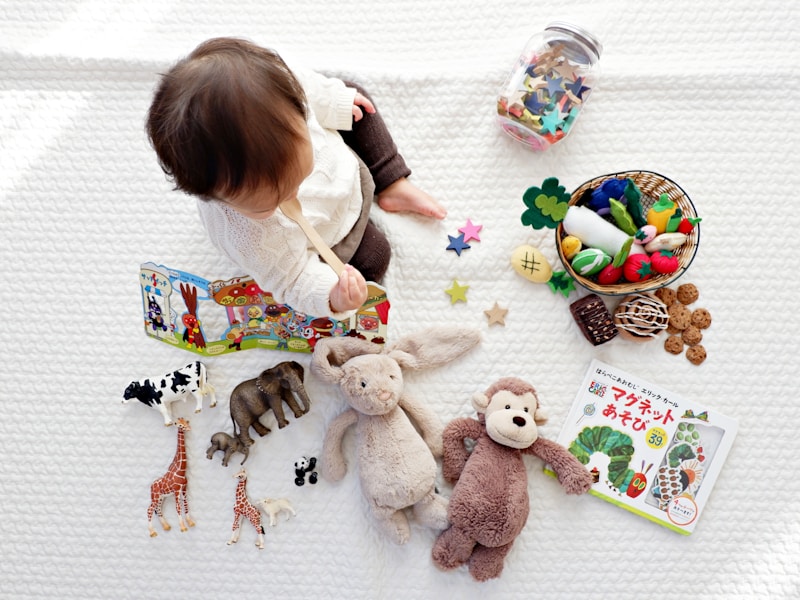
Prioritize play over academics in early childhood. Play is not a waste of time—it's the work of childhood. Through play, children develop the cognitive, social, and emotional foundations that will support all later learning.
Focus on the relationship. A secure, loving parent-child relationship is the best predictor of positive outcomes. Time spent connecting with your child matters more than time spent on enrichment activities.
Celebrate effort and curiosity rather than achievement. When children are praised for trying, exploring, and persisting, they develop intrinsic motivation and resilience. When praised only for outcomes, they learn to avoid challenges and fear failure. Model a love of learning yourself—let your child see you reading for pleasure, trying new things, and embracing mistakes as learning opportunities. The message that learning is joyful and lifelong matters more than any early milestone.
Model curiosity and love of learning. Children learn more from what they see than from what they're told. When parents demonstrate genuine interest in learning, children absorb that attitude.
Protect childhood. Children have their whole lives to be adults. The years of childhood are precious and irreplaceable. Let children be children, with all the play, imagination, and freedom that entails.